 5 days ago
Introduction
As we move deeper into the 21st century, technology continues to revolutionize the way we live and work. Minnesota, a state known for its diverse economy and strong workforce, is experiencing significant shifts driven by technological advancements. From automation and artificial intelligence to remote work and digital platforms, technology is reshaping industries, job roles, and workplace cultures across the state.
This article provides an in-depth analysis of how technology is changing work in Minnesota, examining the current trends, the challenges faced by workers and employers, and potential solutions to ensure an inclusive and prosperous future for all Minnesotans.
Context: Minnesota’s Economic and Workforce Landscape
Minnesota boasts a robust economy with key sectors including manufacturing, healthcare, agriculture, technology, and services. The state has a highly educated workforce and a strong tradition of innovation, supported by research institutions and a vibrant startup ecosystem. This diverse economic base has historically provided resilience against economic downturns, but the rapid pace of technological change now demands continuous adaptation.
However, like many regions, Minnesota is confronting the dual forces of technological disruption and demographic shifts. Automation threatens to displace certain jobs, while new technologies create demand for different skills. Additionally, the COVID-19 pandemic accelerated remote work adoption, further altering workplace dynamics and accelerating digital transformation across industries. These changes have profound implications for workforce development, economic equity, and community well-being.
Core Trends in Technology and Work in Minnesota
1. Automation and Artificial Intelligence
Automation technologies, including robotics and AI, are increasingly integrated into Minnesota’s manufacturing and service industries. Companies are leveraging these tools to improve efficiency, reduce costs, and enhance product quality. For example, in the manufacturing sector, robotic arms and AI-driven quality control systems are becoming commonplace, enabling faster production cycles and reducing human error.
Similarly, in healthcare, AI assists in diagnostics, patient management, and administrative tasks, helping providers deliver more personalized and timely care. Retail and logistics sectors also utilize automation for inventory management and delivery optimization. While these technologies boost productivity and competitiveness, they also raise concerns about job displacement, particularly for routine and manual roles, necessitating proactive workforce transition strategies.
2. Remote and Hybrid Work Models
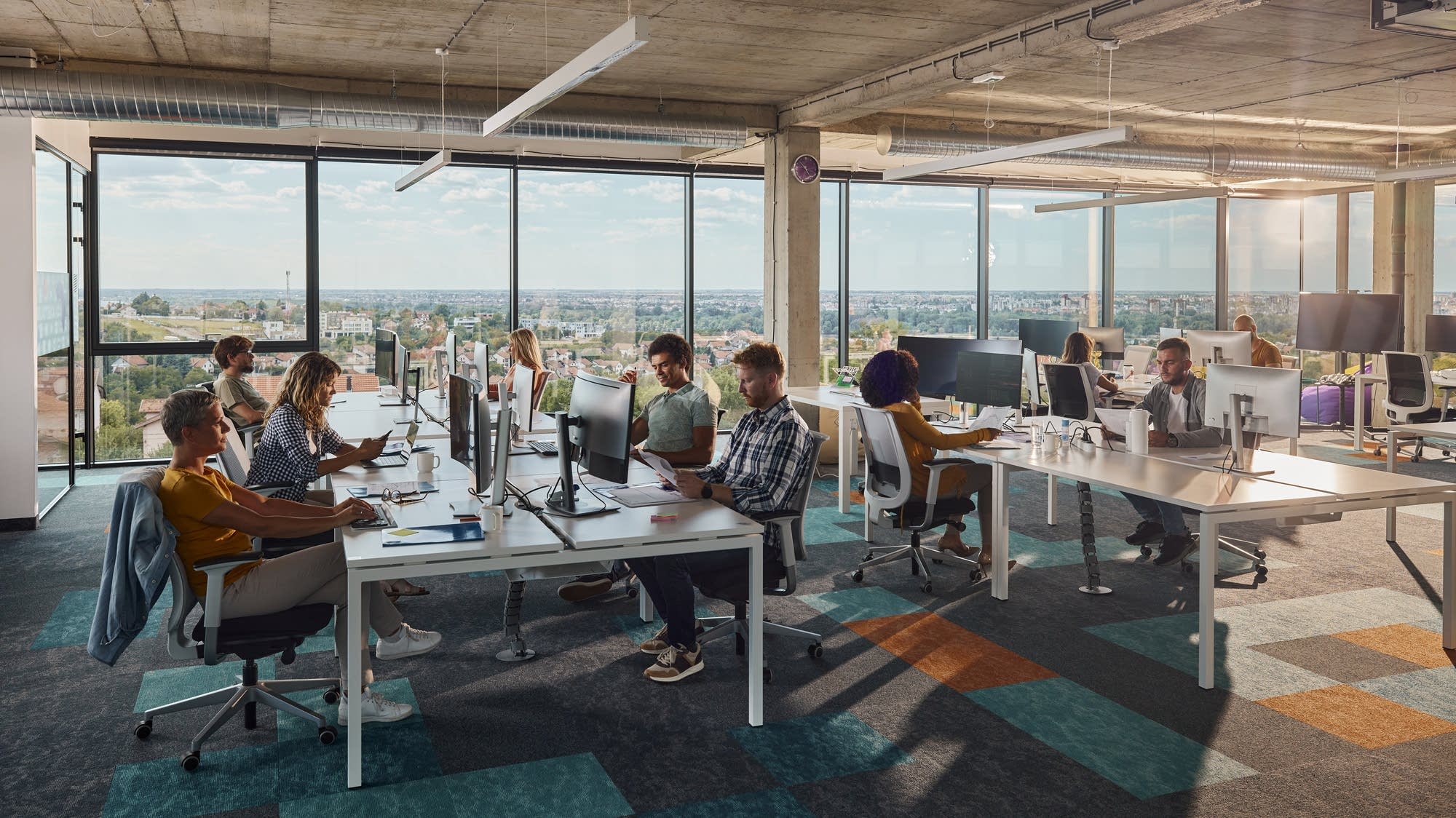
The pandemic catalyzed a shift toward remote and hybrid work arrangements. Many Minnesota businesses, especially in technology, finance, and professional services, have adopted flexible work policies that allow employees to split their time between home and office environments. This shift offers benefits such as improved work-life balance, reduced commuting time, and access to a broader talent pool beyond geographic constraints.
However, remote work also presents challenges, including maintaining team cohesion, managing cybersecurity risks, and addressing disparities in home office environments. Not all workers have equal access to quiet, dedicated workspaces or reliable internet, which can exacerbate existing inequalities. Employers must therefore develop inclusive policies and invest in digital infrastructure and employee support to sustain productivity and engagement.
3. Digital Skills and Workforce Development
As technology evolves, the demand for digital skills has surged. Minnesota’s educational institutions and workforce development programs are increasingly focused on equipping workers with competencies in coding, data analysis, cybersecurity, and digital literacy. These skills are critical not only for technology sector jobs but also for roles across healthcare, manufacturing, and services that are becoming more tech-enabled.
Initiatives such as coding boot camps, community college programs, and partnerships between industry and academia aim to bridge the skills gap. Programs targeting underrepresented groups, including women and minorities, seek to promote diversity in tech fields. Nonetheless, ensuring equitable access to these opportunities remains a critical issue, particularly for rural communities and economically disadvantaged populations.
4. Gig Economy and Platform Work
The rise of digital platforms has expanded gig and freelance work in Minnesota. Ride-sharing, food delivery, and freelance digital services offer flexible income sources but often lack traditional employment protections and benefits such as health insurance, retirement plans, and paid leave. This trend provides opportunities for supplemental income and entrepreneurial ventures but also raises questions about worker rights, income stability, and the future of labor regulations in the state.
Policymakers and labor advocates are increasingly focused on developing frameworks that balance flexibility with protections, ensuring gig workers can access benefits and fair compensation. Additionally, digital platforms are evolving to offer more support and training to their workforce, reflecting a shift toward more sustainable gig economy models.
Challenges in Adapting to Technological Change
1. Workforce Displacement and Inequality
Automation and AI can disproportionately affect lower-skilled workers and communities with limited access to retraining resources. Without targeted support, these groups risk economic marginalization, exacerbating existing social and economic inequalities. Transitioning displaced workers into new roles requires comprehensive strategies including reskilling, career counseling, and social safety nets.
Moreover, certain demographic groups, such as older workers and those in rural areas, may face additional barriers to adapting to technological change. Addressing these disparities is essential to prevent widening economic divides and to foster inclusive growth.
2. Digital Divide
Access to high-speed internet and digital devices is uneven across Minnesota, particularly in rural and low-income areas. This digital divide hampers participation in remote work, digital learning, telehealth, and e-commerce. Bridging this gap is critical to ensuring all Minnesotans can benefit from technological advancements.
Efforts to expand broadband infrastructure and provide affordable devices are underway but require sustained investment and coordination among government, private sector, and community organizations. Digital literacy programs are also vital to empower individuals to effectively use technology in their personal and professional lives.
3. Cybersecurity and Privacy Concerns
Increased reliance on digital tools heightens vulnerabilities to cyberattacks and data breaches. Employers and employees must navigate complex security landscapes to protect sensitive information, including personal data and proprietary business information. Cybersecurity threats can disrupt operations, damage reputations, and result in significant financial losses.
Organizations in Minnesota are investing in advanced security technologies and training to build resilience. At the same time, regulatory frameworks are evolving to address privacy concerns and establish standards for data protection. Continuous vigilance and adaptation are necessary as cyber threats become more sophisticated.
4. Mental Health and Work-Life Balance
The blurring of boundaries between work and personal life in remote settings can contribute to stress, burnout, and mental health challenges. Employees may struggle with extended work hours, isolation, and difficulty disconnecting from work responsibilities. Organizations need to foster supportive cultures and provide resources for employee well-being, including mental health services, flexible scheduling, and opportunities for social connection.
Promoting a healthy work-life balance is not only beneficial for individuals but also enhances productivity and retention. Minnesota employers are increasingly recognizing the importance of holistic approaches to workforce health in the digital age.
Potential Solutions and Strategies
1. Investment in Education and Lifelong Learning
Expanding access to affordable, high-quality education and training programs is essential to prepare Minnesota’s workforce for the evolving job market. Public-private partnerships can enhance curriculum relevance, integrate emerging technologies, and provide clear pathways for career transitions. Emphasizing lifelong learning helps workers continuously update their skills in response to technological change.
Programs that target underserved populations and provide wraparound support services can improve equity in access and outcomes. Additionally, promoting STEM education from early schooling through higher education builds a strong foundation for future innovation.
2. Infrastructure Development
Improving broadband access statewide will enable more equitable participation in the digital economy. Investments should prioritize underserved communities to close connectivity gaps and support economic development. Infrastructure improvements also include expanding access to affordable digital devices and creating community technology hubs where individuals can access resources and training.
Collaboration among government agencies, internet service providers, and community organizations is critical to designing and implementing effective infrastructure solutions that meet diverse needs.
3. Policy and Regulatory Frameworks
Policymakers must update labor laws to address gig work realities, ensure fair wages, and protect worker rights in the changing employment landscape. This includes clarifying classification of workers, establishing minimum standards for benefits, and supporting collective bargaining where appropriate.
Cybersecurity regulations should also evolve to safeguard data privacy and promote transparency. Additionally, policies that incentivize employer investment in workforce development and mental health support can foster more resilient organizations.
4. Employer Initiatives
Businesses can adopt flexible work policies that accommodate diverse employee needs and preferences, enhancing engagement and retention. Providing mental health support, such as counseling services and wellness programs, addresses the growing importance of psychological well-being.
Investing in employee upskilling and reskilling ensures that workers remain competitive and can transition into new roles created by technological change. Cultivating inclusive workplace cultures that value diversity and equity helps attract and retain talent from all backgrounds, strengthening organizational performance.
Looking Ahead: The Future of Work in Minnesota
Technology will continue to be a powerful force shaping Minnesota’s workforce. Embracing innovation while proactively managing its impacts can position the state as a leader in the future of work. This requires a holistic approach that integrates economic development, education, infrastructure, and social policy.
Collaboration among government, industry, educational institutions, and communities will be key to creating a resilient, inclusive economy that benefits all Minnesotans. By fostering adaptability, equity, and innovation, Minnesota can navigate the complexities of technological transformation and build a prosperous future.
Conclusion
The transformation of work in Minnesota driven by technology presents both exciting opportunities and significant challenges. By understanding these dynamics and implementing thoughtful strategies, the state can harness technological progress to foster economic growth, social equity, and improved quality of life for its residents.
As Minnesota navigates this evolving landscape, continuous dialogue, investment, and innovation will be essential to ensure that the benefits of technology are widely shared and that no one is left behind. Through collective effort and forward-thinking policies, Minnesota can set a model for how regions can successfully adapt to the future of work in a rapidly changing world.