 5 days ago
Introduction
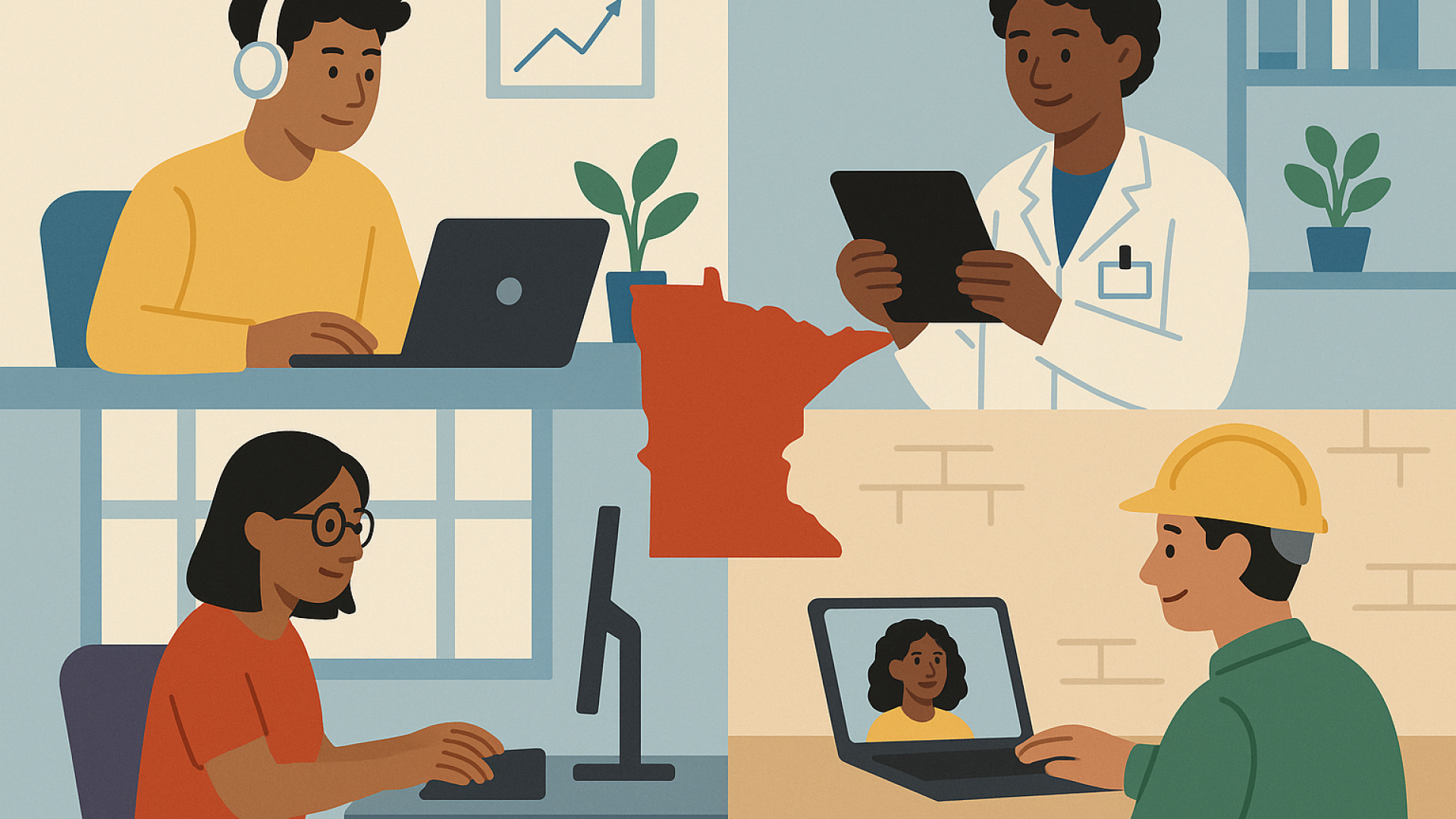
As we move further into the 2020s, technology continues to revolutionize the way we work across the globe. Minnesota, known for its diverse economy and strong industrial base, is experiencing significant shifts in its workplace dynamics due to rapid technological advancements. From automation and artificial intelligence (AI) to remote work and digital collaboration tools, these changes are reshaping job roles, business operations, and workforce expectations in profound ways.
This article delves into how technology is changing work in Minnesota, examining the context behind these transformations, the core impacts on various sectors, the challenges faced by workers and employers, and potential solutions to ensure an inclusive and sustainable future of work. By understanding these dynamics, stakeholders can better prepare for the evolving demands of the modern workplace.
Context: Minnesota’s Economic and Workforce Landscape
Minnesota boasts a robust and diverse economy with key industries including manufacturing, healthcare, retail, agriculture, and technology. The state benefits from a well-educated workforce and a strong tradition of innovation, supported by world-class research institutions, universities, and a growing startup ecosystem. This foundation positions Minnesota well to adapt to technological change.
However, like many regions, Minnesota faces pressures from globalization, demographic shifts such as an aging population, and evolving consumer demands that require agility and innovation. Technology adoption has accelerated as businesses seek to remain competitive, efficient, and resilient. The COVID-19 pandemic further catalyzed digital transformation, pushing companies to adopt remote work, online service delivery, and digital customer engagement at an unprecedented pace. These shifts have permanently altered workplace norms and expectations.
Core Impacts of Technology on Work in Minnesota
1. Automation and Artificial Intelligence
Automation technologies, including robotics and AI, are increasingly integrated into Minnesota’s manufacturing and service sectors. In the state’s manufacturing hubs, robots now handle repetitive and precision-based tasks, improving productivity, quality, and safety. AI-driven analytics enable companies to optimize supply chains, forecast demand, and enhance customer service through personalized experiences.
While automation enhances efficiency and competitiveness, it also raises concerns about job displacement, particularly for roles involving routine manual or cognitive tasks. Workers in sectors like manufacturing, retail, and administrative services may need to reskill or upskill to adapt to new job requirements that emphasize oversight, maintenance, and complex problem-solving. This shift is prompting a reevaluation of workforce development strategies across Minnesota.
2. Remote Work and Hybrid Models
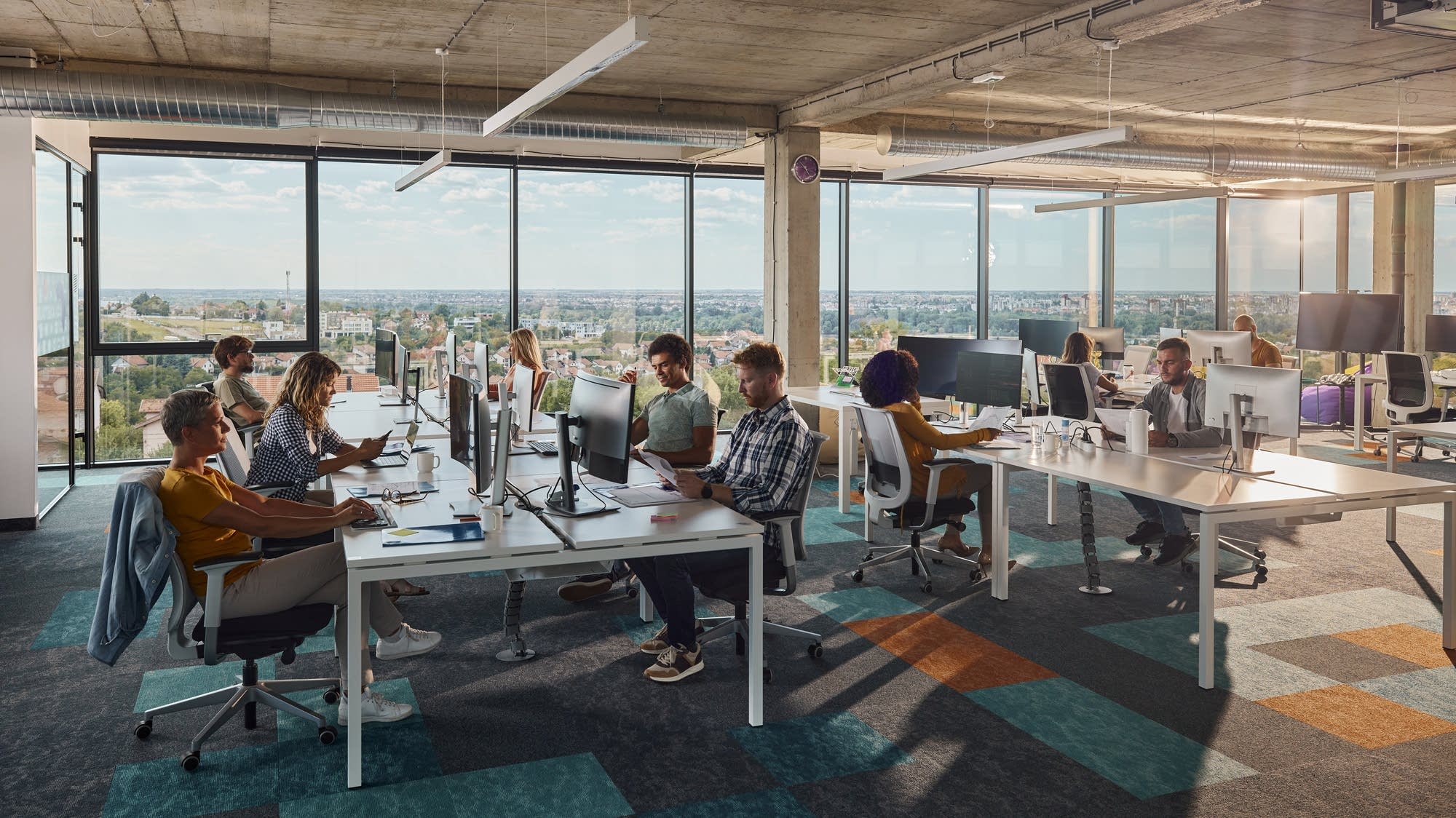
The COVID-19 pandemic normalized remote work, and many Minnesota companies continue to offer flexible work arrangements, including hybrid models that blend in-office and remote work. Technology platforms such as Zoom, Microsoft Teams, Slack, and cloud-based project management tools enable seamless communication and collaboration across distances, breaking down geographical barriers.
This shift benefits employees by improving work-life balance, reducing commuting time, and providing access to broader job markets, including opportunities for those in rural or underserved areas. However, it also challenges traditional office culture, employee engagement, and team cohesion. Additionally, it raises questions about equitable access to technology, reliable internet connectivity, and suitable home office setups, which are critical for productivity and inclusion.
3. Digital Skills and Workforce Development
The demand for digital literacy and advanced technical skills is growing rapidly across all sectors in Minnesota. Educational institutions and workforce programs are increasingly emphasizing STEM education, coding, data analysis, cybersecurity, and digital communication skills to prepare workers for the evolving job market.
Upskilling and reskilling initiatives are critical to help workers transition into emerging roles and reduce the risk of technological unemployment. Partnerships between businesses, government agencies, educational providers, and nonprofit organizations play a vital role in creating accessible training programs. These collaborations focus on lifelong learning and flexible delivery methods, including online courses and apprenticeships, to meet diverse learner needs.
4. Impact on Small Businesses and Startups
Technology lowers barriers to entry for entrepreneurs, enabling small businesses and startups in Minnesota to innovate and compete on a global scale. E-commerce platforms, digital marketing, cloud computing, and software-as-a-service (SaaS) tools provide affordable and scalable solutions for growth.
However, small businesses may face challenges in adopting new technologies due to cost constraints, limited expertise, or infrastructure limitations. Access to capital, technical support, and training is essential to help these businesses leverage technology effectively. Support programs, incubators, and innovation hubs in Minnesota are increasingly focused on bridging these gaps to foster a vibrant entrepreneurial ecosystem.
Challenges and Concerns
- Digital Divide: Not all workers and communities have equal access to high-speed internet, modern digital devices, and technology training, creating disparities in opportunities and outcomes. Rural areas and marginalized populations are particularly vulnerable to being left behind in the digital economy.
- Job Displacement: Automation and AI threaten certain job categories, especially those involving repetitive tasks, necessitating proactive workforce transition strategies to support displaced workers through retraining and job placement services.
- Privacy and Security: Increased reliance on digital tools raises concerns about data privacy, cybersecurity risks, and the protection of sensitive information for both employees and employers. Cyber threats continue to evolve, requiring robust security measures and awareness.
- Mental Health and Work-Life Balance: Remote work blurs boundaries between personal and professional life, potentially leading to burnout, isolation, and decreased well-being. Employers must address these challenges through supportive policies and resources.
- Regulatory and Ethical Issues: The rapid pace of technological change challenges existing labor laws, workplace regulations, and ethical frameworks. Issues such as algorithmic bias, surveillance, and fair labor practices require ongoing attention and adaptation.
Potential Solutions and Future Outlook
1. Strengthening Workforce Training and Education
Expanding access to lifelong learning and vocational training programs focused on digital skills is essential for Minnesota’s workforce resilience. The state can leverage community colleges, technical schools, universities, and online platforms to provide flexible and affordable learning opportunities that cater to diverse populations, including displaced workers and underrepresented groups.
2. Promoting Inclusive Technology Access
Investments in broadband infrastructure, particularly in rural and underserved areas, along with initiatives to provide affordable digital devices, can reduce the digital divide. Public-private partnerships and government programs aimed at expanding connectivity and digital literacy are critical to ensuring equitable participation in the digital economy.
3. Supporting Small Businesses and Innovation
Grants, tax incentives, advisory services, and access to innovation hubs can help small businesses adopt new technologies and scale their operations. Encouraging collaboration between startups, established firms, research institutions, and government agencies fosters a vibrant ecosystem that drives economic growth and job creation.
4. Enhancing Worker Protections and Well-being
Policies that address the challenges of remote and hybrid work, such as flexible scheduling, mental health resources, ergonomic support, and clear data privacy standards, can improve employee well-being and productivity. Employers should cultivate inclusive workplace cultures that prioritize communication, engagement, and support.
5. Encouraging Ethical and Responsible Technology Use
Stakeholders—including businesses, policymakers, educators, and workers—should engage in ongoing dialogue to develop ethical guidelines and regulatory frameworks that balance innovation with social responsibility. Addressing concerns such as algorithmic fairness, transparency, and data protection is vital to building trust and ensuring technology benefits all members of society.
Conclusion
Technology is undeniably transforming the workplace in Minnesota, offering unprecedented opportunities for growth, innovation, and improved quality of life. However, these benefits come with challenges that require thoughtful strategies and collaborative efforts among government, businesses, educational institutions, and workers.
By embracing inclusive policies, investing in skills development, and fostering a culture of adaptability and resilience, Minnesota can successfully navigate the evolving work landscape. The future of work in the state holds promise for a dynamic, equitable, and sustainable economy that leverages technology to enhance human potential and community well-being.