 5 days ago
Introduction
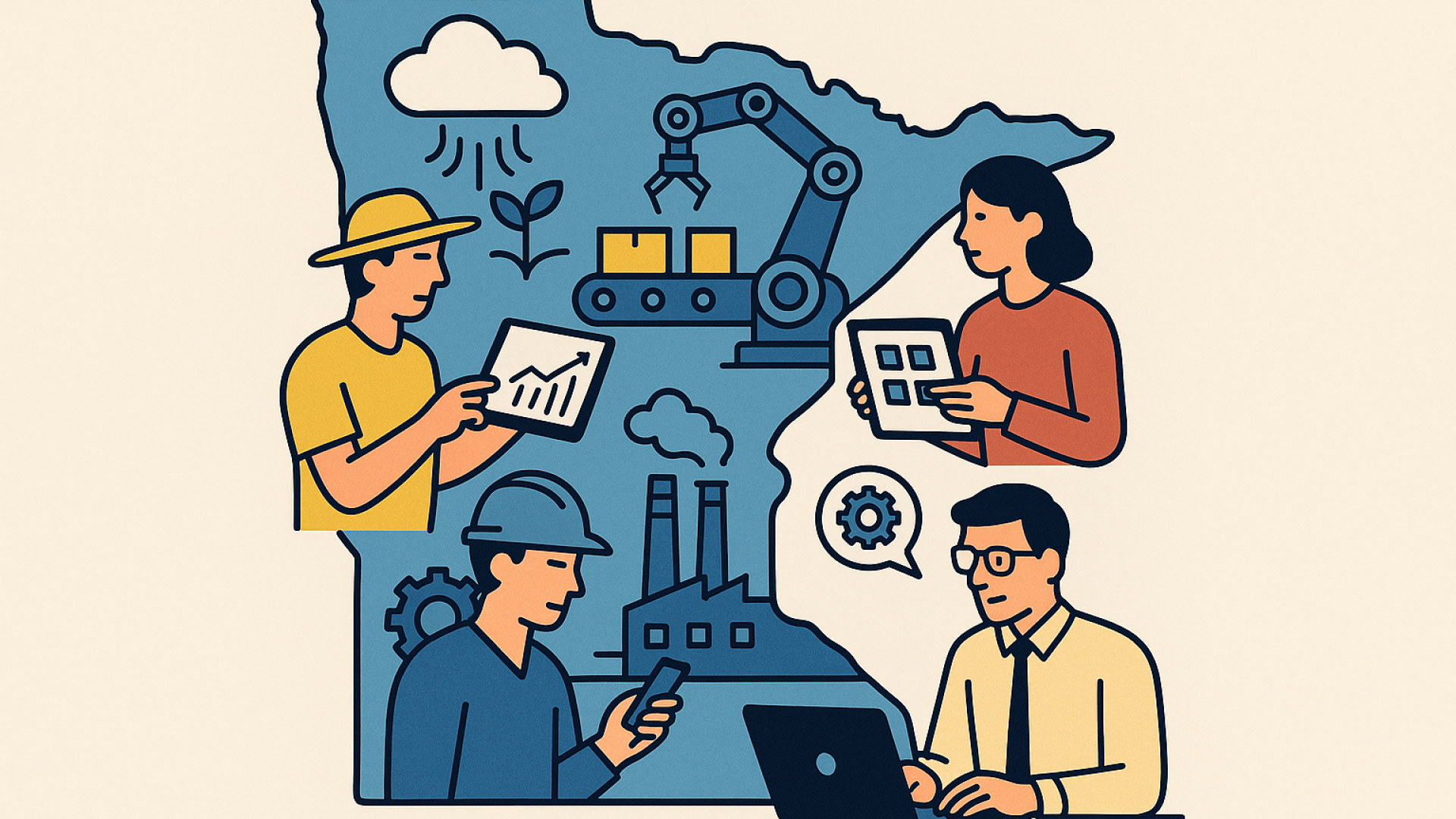
As we move further into the 21st century, the impact of technology on the workplace continues to accelerate, reshaping how, where, and when people work. Minnesota, known for its diverse economy and strong industrial base, is at the forefront of this transformation. From automation and artificial intelligence to remote work and digital collaboration tools, technology is fundamentally changing the nature of work across the state. This transformation is not only altering job functions but also influencing organizational structures, employee expectations, and the overall economic landscape.
Context: Minnesota’s Economic and Workforce Landscape
Minnesota boasts a robust economy with key sectors including manufacturing, healthcare, agriculture, retail, and technology. The state has long been recognized for its innovation and skilled workforce, supported by strong educational institutions and a culture of entrepreneurship. These factors have helped Minnesota maintain a competitive edge in a rapidly evolving global economy. However, like many regions, Minnesota faces challenges such as workforce shortages in certain industries, the need for upskilling, and adapting to rapid technological advancements that continuously reshape job requirements.
In recent years, the COVID-19 pandemic accelerated trends such as remote work and digital transformation, pushing companies and workers to adopt new technologies faster than anticipated. This shift has prompted a reevaluation of traditional work models and sparked discussions about the future of work in Minnesota. Businesses have had to rethink operational strategies, while employees have adapted to new ways of collaborating and balancing work-life demands.
The Core of the Transformation: Technology’s Role in Changing Work
Automation and Artificial Intelligence
Automation and AI are increasingly integrated into Minnesota’s industries, particularly manufacturing and logistics. Robots and automated systems handle repetitive tasks, improving efficiency, accuracy, and safety. For example, automated assembly lines and AI-powered quality control systems reduce human error and increase production speed. AI-driven analytics help businesses make data-informed decisions, optimize supply chains, and enhance customer experiences by predicting demand and personalizing services.
While automation can displace some jobs, it also creates new roles requiring advanced technical skills such as programming, system maintenance, and data analysis. Minnesota companies are investing in retraining programs to help workers transition into these emerging positions, emphasizing the importance of lifelong learning. This shift encourages a workforce that is more technologically adept and capable of managing complex systems.
Remote Work and Digital Collaboration
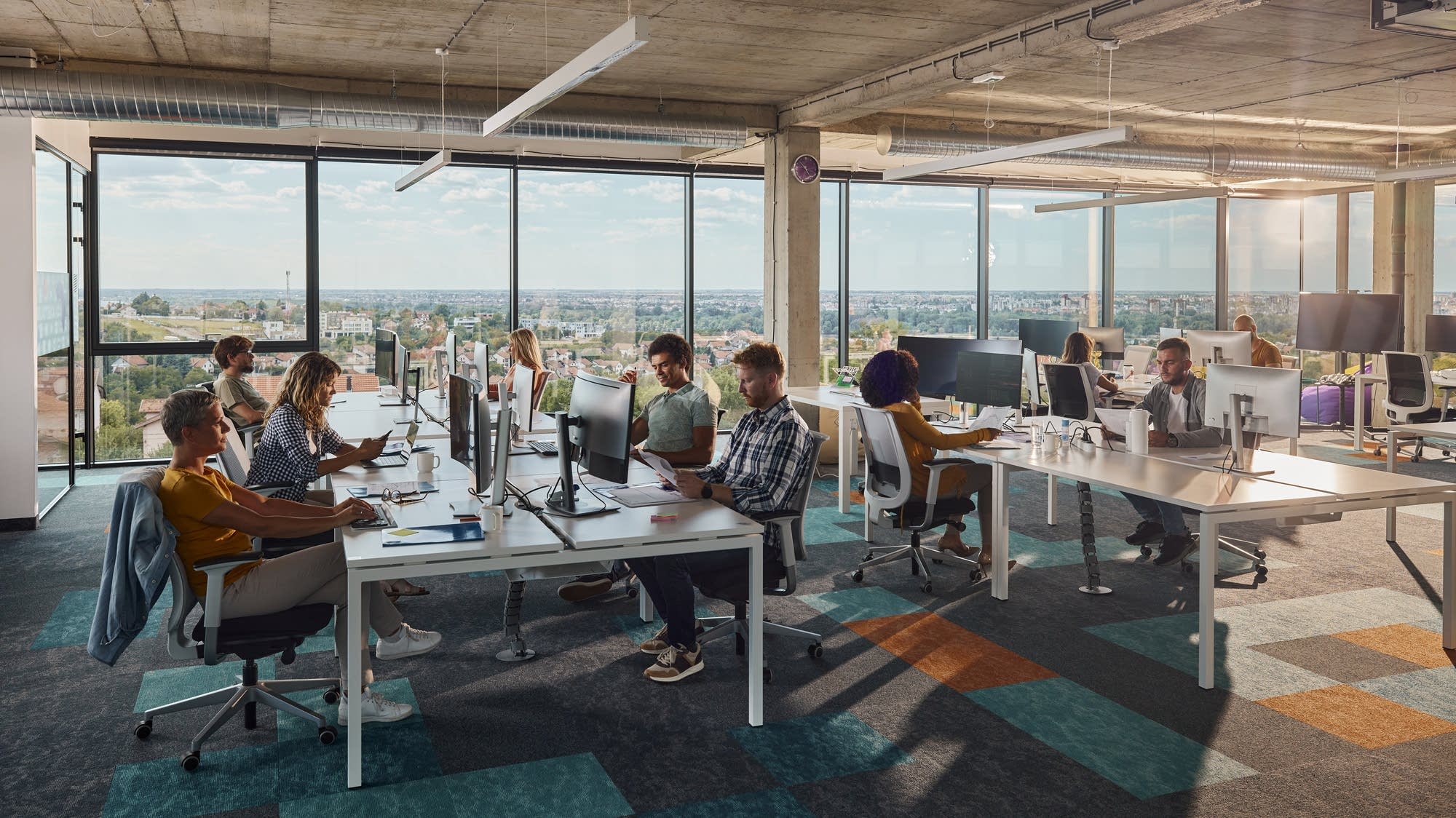
The pandemic normalized remote work, and many Minnesota employers continue to offer flexible work arrangements. Digital collaboration platforms like Microsoft Teams, Zoom, and Slack enable teams to communicate and collaborate effectively regardless of location. These tools facilitate real-time communication, project management, and document sharing, making remote teamwork seamless and productive.
This shift has broadened talent pools, allowing companies to hire beyond geographic constraints and providing employees with better work-life balance. Employees can now work from home or other locations, reducing commute times and increasing job satisfaction. However, it also raises challenges related to employee engagement, cybersecurity, and maintaining company culture. Organizations must develop strategies to foster connection and trust among distributed teams while protecting sensitive information.
Emergence of the Gig and Freelance Economy
Technology platforms have facilitated the growth of gig and freelance work in Minnesota. Apps and websites connect workers with short-term jobs in areas such as delivery, creative services, consulting, and specialized technical tasks. This trend offers flexibility and autonomy for workers who prefer project-based or part-time engagements.
However, the gig economy also raises questions about job security, benefits, and labor rights. Many gig workers lack access to traditional employment benefits such as health insurance, retirement plans, and paid leave. Policymakers and businesses are exploring ways to provide protections and support for this growing segment of the workforce, balancing flexibility with security.
Upskilling and Lifelong Learning
To keep pace with technological change, Minnesota’s workforce is increasingly focused on continuous learning. Educational institutions, government programs, and private companies collaborate to provide training in digital literacy, coding, data analysis, cybersecurity, and other in-demand skills. These initiatives aim to equip workers with the competencies needed to thrive in a technology-driven economy.
Programs such as apprenticeships, online courses, boot camps, and industry partnerships help workers adapt and thrive in evolving job markets. For example, community colleges and universities offer flexible learning options tailored to working adults, while employers invest in internal training and mentorship programs. This emphasis on lifelong learning fosters a culture of adaptability and resilience.
Challenges and Considerations
Workforce Displacement and Inequality
While technology creates opportunities, it can also exacerbate inequalities. Workers in low-skill or routine jobs face higher risks of displacement due to automation. This can lead to economic insecurity and social challenges if affected workers are not supported through retraining and job placement programs. Additionally, rural areas in Minnesota may have less access to high-speed internet and training resources, limiting their ability to benefit from digital transformation and remote work opportunities.
Addressing these disparities requires targeted investments and policies that ensure equitable access to technology, education, and employment opportunities. Without such measures, the digital divide could deepen existing socioeconomic gaps within the state.
Cybersecurity and Privacy
As work becomes more digital, protecting sensitive data and maintaining privacy are critical concerns. Minnesota businesses must invest in robust cybersecurity measures to safeguard their operations and customer information from cyber threats such as hacking, phishing, and ransomware attacks. This includes implementing secure networks, employee training, and incident response plans.
Moreover, the increase in remote work expands the attack surface for cybercriminals, making vigilance and proactive security strategies essential. Ensuring compliance with data protection regulations is also a key consideration for organizations operating in various sectors.
Maintaining Human Connection
Remote and hybrid work models can lead to feelings of isolation and weaken team cohesion. Employers need to find innovative ways to foster engagement, collaboration, and a sense of belonging among distributed teams. This can include virtual team-building activities, regular check-ins, and creating opportunities for informal social interactions.
Maintaining a strong organizational culture in a dispersed workforce requires intentional efforts to communicate values, recognize achievements, and support employee well-being. Balancing flexibility with connection is vital to sustaining productivity and morale.
Solutions and Strategies for a Thriving Workforce
Public-Private Partnerships
Collaboration between government, educational institutions, and the private sector is essential to develop effective workforce development programs. Minnesota’s initiatives to fund training, support innovation hubs, and promote STEM education are key to preparing workers for future demands. These partnerships help align educational curricula with industry needs, ensuring that graduates possess relevant skills.
Programs such as Minnesota’s Job Skills Partnership and workforce innovation grants exemplify efforts to bridge gaps between employers and educators. By pooling resources and expertise, these collaborations foster economic growth and workforce resilience.
Investment in Infrastructure
Expanding broadband access, especially in rural and underserved areas, is critical to ensuring equitable participation in the digital economy. Infrastructure investments enable remote work, online education, telehealth, and access to digital services that are increasingly essential for economic and social inclusion.
State and local governments, along with private sector partners, are working to close connectivity gaps through grants, public-private partnerships, and innovative technologies such as fixed wireless and satellite internet. Reliable internet access is foundational to Minnesota’s future workforce development and economic competitiveness.
Emphasizing Soft Skills and Adaptability
Beyond technical skills, employers value adaptability, communication, critical thinking, and problem-solving abilities. Training programs that integrate these competencies help workers navigate changing environments and collaborate effectively across diverse teams.
Soft skills are increasingly recognized as essential for innovation and leadership in a technology-driven workplace. Minnesota’s educational institutions and employers are incorporating these skills into curricula and professional development initiatives to prepare workers for complex, dynamic roles.
Supporting Mental Health and Well-being
As work dynamics evolve, addressing mental health is increasingly important. Minnesota companies are adopting wellness programs, flexible schedules, and resources to support employee well-being. Initiatives include access to counseling services, stress management workshops, and promoting work-life balance.
Recognizing the impact of isolation, burnout, and work-related stress, organizations are fostering supportive environments that prioritize holistic health. This focus contributes to higher employee satisfaction, retention, and productivity.
Conclusion
The transformation of work in Minnesota driven by technology presents both exciting opportunities and significant challenges. By embracing innovation, investing in people, and fostering inclusive policies, Minnesota can build a resilient workforce ready for the future. The state’s ability to adapt and lead in this new era will shape its economic vitality and quality of life for years to come.
As technology continues to evolve, ongoing dialogue among stakeholders and a commitment to equitable growth will be essential to ensure that the benefits of this transformation are shared broadly across Minnesota’s communities. Through collaborative efforts and strategic investments, Minnesota is poised to harness technology’s potential to create a more dynamic, inclusive, and prosperous workforce.